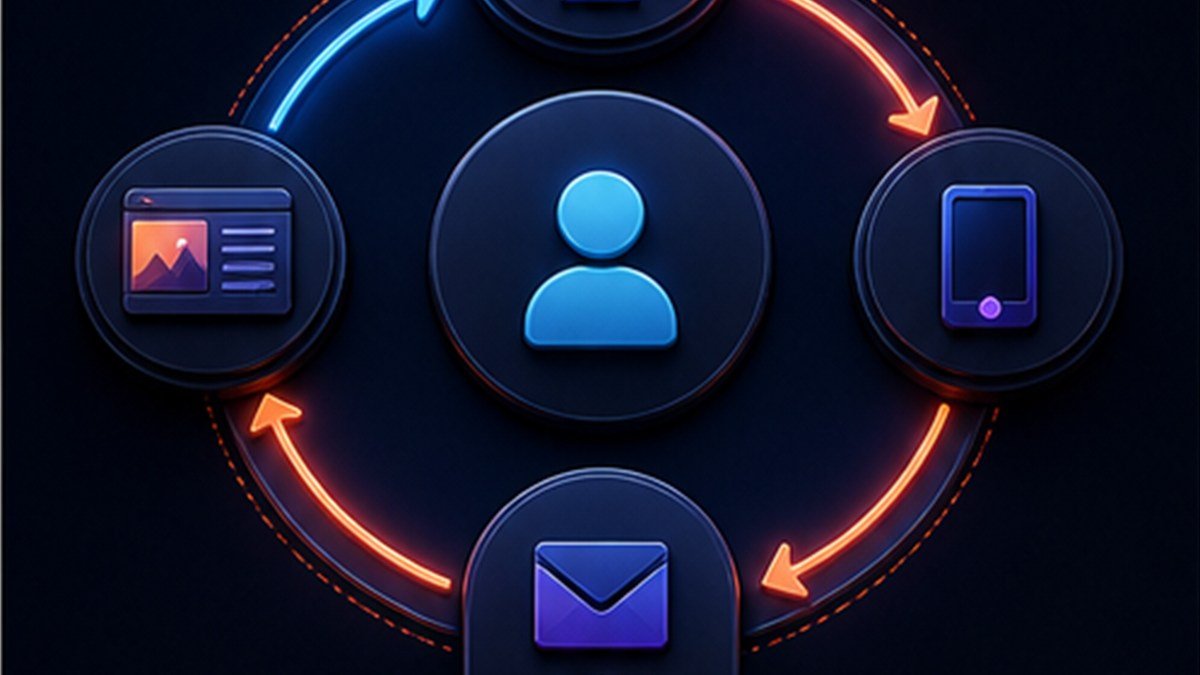
Create a dependable measurement foundation across forms, calls, CRM stages and revenue events.
Create a dependable measurement foundation across forms, calls, CRM stages and revenue events. The strongest approach begins with customer intent and ends with a measurement loop your team can actually maintain.
Why Conversion Tracking Setup matters now
Growth channels are more competitive, customer journeys are less linear, and teams have less room for disconnected activity. A sound Conversion Tracking Setup program creates a clear link between what customers need, what your business communicates, and what your data can prove.
The objective is not to copy a generic playbook. It is to build a dependable system around your market, offer, resources, and sales cycle. That makes progress easier to prioritise and prevents the team from mistaking activity for impact.
A practical implementation framework
1. Define the commercial outcome
Choose the primary result first: qualified enquiries, booked consultations, purchases, retention, or pipeline value. Document the audience, the problem they are trying to solve, and the evidence they need before acting.
2. Audit the current journey
Review the complete path from discovery to conversion. Capture technical barriers, unclear messages, missing proof, slow follow-up, weak calls to action, and measurement gaps. Rank each issue by expected impact and implementation effort.
3. Build the minimum useful system
Fix foundations before scaling volume. Give every page, campaign, workflow, or content asset one clear job. Use consistent naming and ownership so another team member can understand the system without relying on tribal knowledge.
Clarity compounds: a smaller well-measured system usually teaches you more than a large collection of disconnected tactics.
4. Measure quality, not just quantity
Platform metrics tell only part of the story. Connect engagement to form quality, sales conversations, pipeline stages, conversion rate, and revenue where possible. Review trends over a meaningful period and annotate major changes.
Common mistakes to avoid
- Starting execution before defining audience, offer, and success criteria.
- Optimising a surface metric while lead or customer quality declines.
- Changing several variables at once and losing the reason performance moved.
- Using tools without a documented owner, process, or quality check.
- Publishing or automating messages that do not answer a real customer question.
Your 30-day action plan
Week 1: capture the baseline, interview customer-facing teammates, and identify the largest journey gap. Week 2: repair tracking and the highest-impact foundation. Week 3: launch one focused improvement with a clear hypothesis. Week 4: evaluate quality signals, record the learning, and choose the next iteration.
ClientForgeHQ helps teams turn Conversion Tracking Setup into an accountable growth system. If you want an expert review, request a free audit and we will map the highest-priority opportunities for your business.
Questions, answered.
What is the first step for conversion tracking setup?
Start with a baseline audit, define the business outcome, and prioritise the highest-impact gap before adding more activity.
How quickly can conversion tracking setup show results?
Early operational improvements can appear in weeks, while reliable commercial results usually require consistent measurement and iteration over several months.
How should success be measured?
Use a balanced scorecard that connects quality, conversion, pipeline or revenue outcomes instead of relying on a single vanity metric.